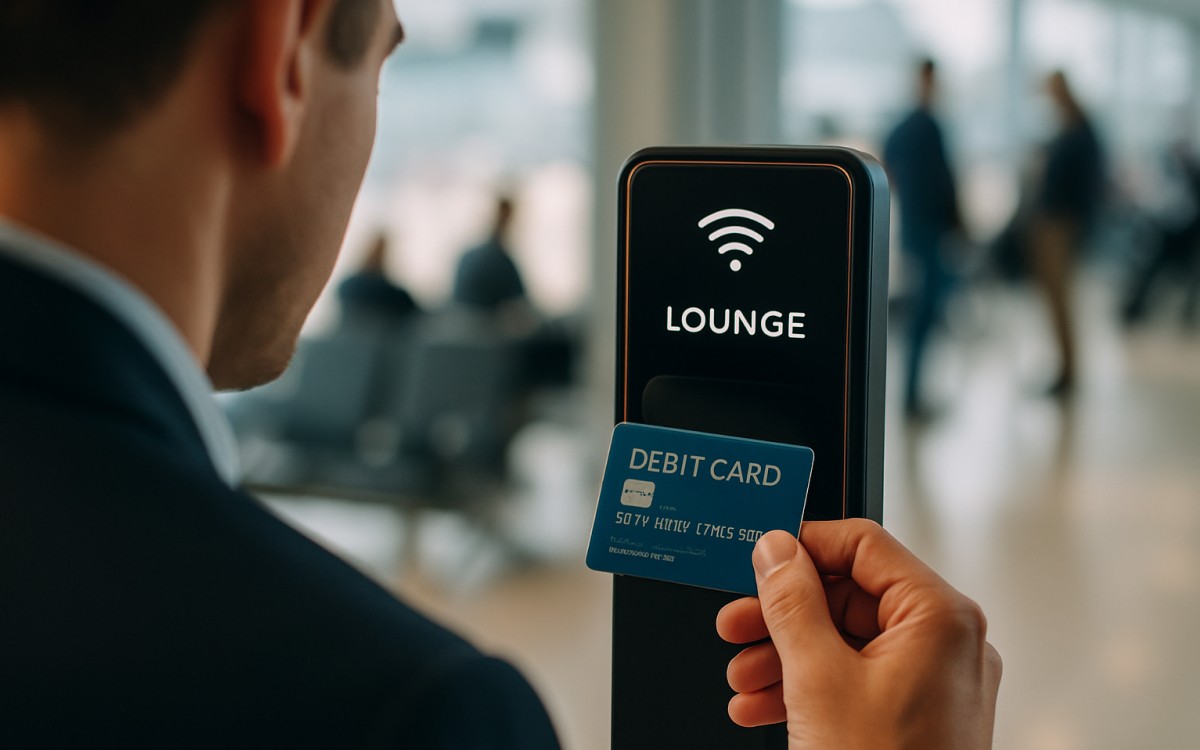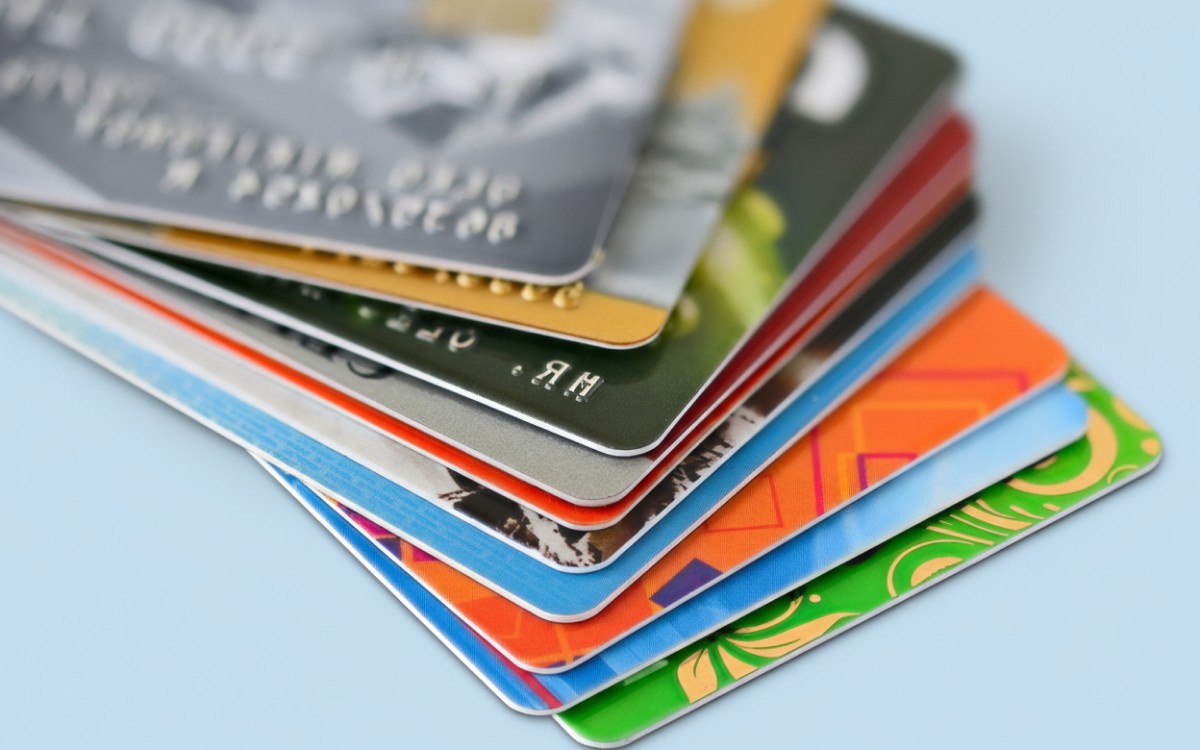
Juggling multiple debit cards can be a daunting task, especially when navigating fees and charges. But with the right strategies, you can manage your debit cards with ease and avoid getting caught in the web of confusing fees. By following some practical tips and understanding the insights, you can stay in control of your finances and make the most of your debit cards.
Understanding Debit Card Fees
Before we dive into the strategies, let’s take a moment to understand the various fees associated with debit cards. These can include annual fees, transaction fees, ATM withdrawal fees, and even fees for using your card abroad. By familiarizing yourself with these charges, you’ll be better equipped to minimize their impact on your finances.
Tips to Manage Multiple Debit Cards
Prioritize Fee-Free Debit Cards
When it comes to managing multiple debit cards, the first step is to identify and prioritize cards that offer fee-free transactions. Many banks and financial institutions now offer debit cards with no annual fees or charges for domestic ATM withdrawals. By focusing on these fee-free options, you can streamline your debit card usage and avoid unnecessary expenses.
Maximize Rewards and Cashback
Some debit cards come with rewarding features, such as cashback on purchases or points that can be redeemed for various benefits. Carefully review the terms and conditions of your debit cards to identify the ones that offer the most attractive rewards. By strategically using these cards for specific transactions, you can maximize the value you receive from your debit card usage.
Understand Your Card’s Limits
Each debit card may have different limits on daily or monthly spending, ATM withdrawals, and other transactions. Familiarize yourself with these limits to avoid unexpected fees or declined transactions. This knowledge will also help you plan your spending and ensure that you don’t exceed any of your cards’ limits, which could result in additional charges.
Maintain a Spending Tracker
Keeping track of your debit card usage across multiple cards can be a challenge, but a spending tracker can be a game-changer. Use a budgeting app, spreadsheet, or even a simple notebook to record your transactions, categorize your expenses, and monitor your overall spending patterns. This will help you identify any unnecessary fees or areas where you can optimize your debit card usage.
Set Up Alerts and Notifications
Most banks and financial institutions offer the option to set up alerts and notifications for your debit card activities. Leverage these features to stay informed about your card usage, including any suspicious transactions, low balances, or upcoming fees. Receiving timely alerts can help you stay on top of your finances and take proactive measures to avoid any issues.
Maintain a Backup Card
While managing multiple debit cards can be efficient, it’s always wise to have a backup card in case one of your primary cards is lost, stolen, or temporarily unavailable. Keep a secondary debit card in a secure location, and ensure that it has a different account number and expiration date than your primary cards. This will provide you with a reliable fallback option in case of emergencies.
Review Statements Regularly
Make it a habit to review your debit card statements regularly, whether online or through physical statements. Scrutinize the transactions, fees, and any other charges to ensure accuracy and identify any potential issues or unauthorized activities. Prompt review and action can help you avoid any unwanted fees or financial complications.
Communicate with Your Bank
If you encounter any issues or have questions about your debit card fees, don’t hesitate to reach out to your bank or financial institution. Customer service representatives can provide valuable guidance, help you understand the fee structure, and even assist in resolving any problems you may be facing.
Consolidate Accounts (if Possible)
In some cases, it may be beneficial to consolidate your debit card accounts with a single financial institution. This can simplify your management process, as you’ll only have to keep track of one set of fees and policies. Additionally, some banks offer discounts or perks for customers who maintain multiple accounts with them.
Prioritize Your Debit Card Usage
When using multiple debit cards, it’s essential to develop a strategy for prioritizing their usage. Consider factors such as reward programs, transaction limits, and the specific fees associated with each card. If you consciously choose the right card for each transaction, you can minimize fees and maximize the benefits of your debit card arsenal.
Managing multiple debit cards doesn’t have to be a daunting task. By understanding the fees, prioritizing fee-free options, maximizing rewards, and implementing effective tracking and communication strategies, you can navigate the world of debit cards with confidence. Remember, staying organized, vigilant, and proactive is the key to managing your debit cards without getting confused by fees.