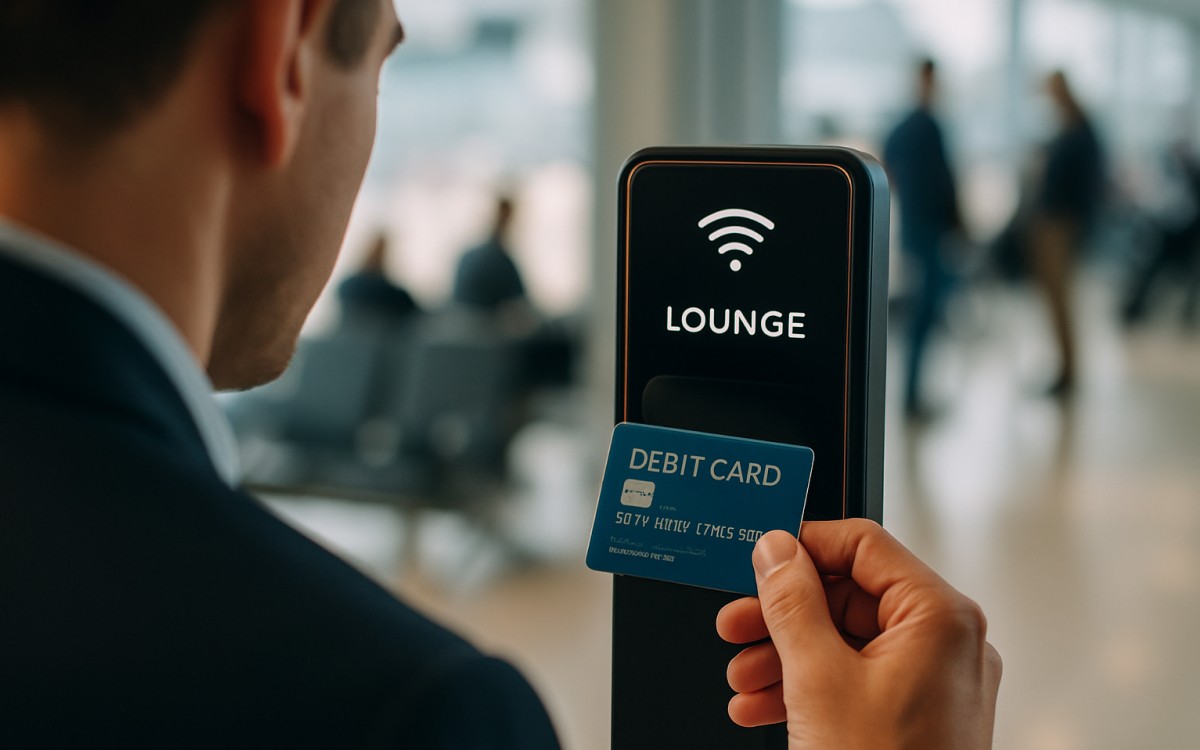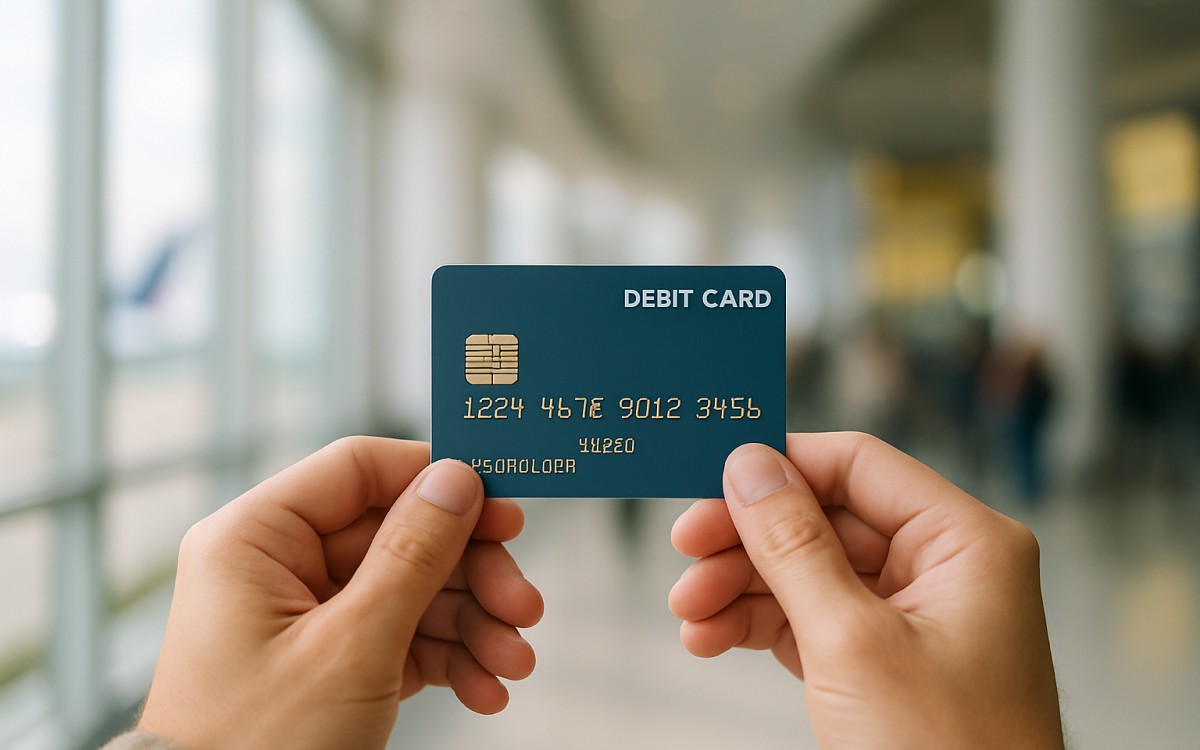
Using your debit card on an overseas trip can be convenient, cost‑effective and safe when you prepare properly and stay alert. You avoid carrying large amounts of cash, get fair exchange rates and can track your expenses in real time. This guide walks you through practical steps before, during and after your journey so you minimise fees, reduce the risk of fraud and keep your holiday or work trip stress‑free.
Before You Leave: Set Things Up Right
Start by checking whether your card works in the countries you plan to visit and on the networks commonly used there (such as Visa, Mastercard, Cirrus or Plus). Ask your bank about daily withdrawal limits abroad, international usage restrictions and any fees on foreign currency transactions or ATM withdrawals. Clarifying these points before you travel helps you avoid declined payments, unexpected charges and embarrassing situations at shops or cash machines.
Notify your bank that you are travelling and share your destination countries and dates. Many banks’ fraud systems automatically flag unusual international activity, which can result in temporary blocks if they are not aware of your trip. You can usually update your travel plans through net banking, mobile apps or customer care, which takes only a few minutes and can prevent disruption.
Make sure you have a secure, four‑digit PIN and that you can remember it without writing it down in your wallet. Some overseas ATMs will not accept longer PINs, and keypads often display only numbers, so avoid letter‑based codes. If you need to change your PIN, do it a couple of weeks before travel so it is fully updated across systems.
It is also wise to carry at least one backup payment option, such as a second debit card from another bank or a credit card, stored separately from your main wallet. If one card gets lost, damaged or blocked, you still have a way to access money while you sort things out with your bank.
Understanding Fees and Exchange Rates
Different banks and cards apply different fees on international transactions, so you should know what you are paying for. Common charges include foreign currency mark‑ups on purchases, flat ATM withdrawal fees, and additional charges if you use an out‑of‑network cash machine. Some accounts offer zero or reduced mark‑ups on overseas spends, which can save you a noticeable amount on a longer trip.
Whenever possible, use your card in the local currency rather than choosing to pay in rupees via “dynamic currency conversion” at shops, hotels or ATMs. That option often comes with a poorer exchange rate wrapped into the conversion. Choosing to be charged in the local currency typically gives you the rate set by your bank or card network, which is usually more favourable.
Avoid making many small cash withdrawals overseas, because you may pay a fee each time. Instead, plan your cash needs and withdraw slightly larger amounts less frequently, while still keeping safety in mind and not carrying more than you are comfortable with. Balance convenience and risk by combining cash with card payments for bigger, secure transactions like hotel bills and restaurant spends.
Keep an eye on currency movements and approximate exchange rates for the countries you are visiting. You do not need to monitor them obsessively, but having a rough idea helps you recognise when something looks off on a receipt or ATM screen and gives you better control over your budget.
Using ATMs Safely Abroad
When withdrawing cash, choose ATMs located inside banks, shopping centres, airports or hotel lobbies instead of isolated machines on the street. Indoor or bank‑owned machines generally have better security, CCTV coverage and are less likely to be tampered with. If an ATM looks damaged, has loose parts around the card slot or keypad, or feels suspicious, walk away and find another one.
Shield the keypad with your hand while entering your PIN and stay alert to anyone standing too close or trying to distract you. Do not accept help from strangers at the machine, even if they seem friendly or claim the machine is “tricky”. If your card is captured by the ATM, contact your bank immediately and stay by the machine if it is inside a bank branch until you speak to staff.
Limit how much of your balance you keep in the account linked to the card you are using abroad, especially if it is a savings or salary account with a large amount. Some travellers prefer to keep most funds in a separate account and transfer money in smaller chunks to the account linked to the travel card as needed via net banking. That way, even if your card details are compromised, the potential loss is limited.
Always collect your card, cash and receipt before leaving the ATM kiosk, and put them away discreetly. Do not count notes at the machine or flash large amounts of cash in public, as this may attract unwanted attention in crowded tourist areas.
Safely Paying in Shops, Restaurants, and Online
In shops and restaurants, try to keep your card in sight at all times. Where possible, ask for a portable card terminal to be brought to your table instead of allowing staff to take your card away to another counter. This reduces the risk of card cloning or unauthorised copying of your details.
Before you tap, insert or swipe, look at the payment terminal and the amount displayed. Confirm that the currency shown is the local one and that there are no extra items added to the bill. If something appears incorrect, ask for a fresh bill or clarification before approving the transaction. Take your receipt and store it safely in case of disputes later.
When using your card for online bookings such as local tours, attractions or ride‑hailing apps, stick to trusted websites and apps with secure connections (look for “https” and the padlock symbol in the address bar). Avoid making payments over unsecured public Wi‑Fi, such as in cafés or airports, without using a virtual private network, as those networks can be vulnerable to data interception.
If a merchant insists on taking a physical impression of your card or asks for unnecessary details, such as complete card number and CVV written on a form, be cautious. You can politely refuse and suggest another payment method. It is perfectly acceptable to prioritise your security over convenience in such situations.
Monitoring Transactions and Responding to Issues
Stay on top of your spending by regularly checking your bank’s mobile app or net banking while travelling. Review recent transactions every day or two to ensure there are no unfamiliar charges. Many banks allow you to set up SMS or app alerts for every card transaction, which gives you quick visibility if someone tries to misuse your card.
If you spot any transaction you do not recognise, contact your bank’s customer support immediately using the international helpline or in‑app contact option. Save these numbers in your phone and keep them written down separately as well, so you are not searching for them in a panic. Ask the bank to temporarily block or hotlist the card if you suspect compromise.
In case your card is lost or stolen, act quickly by blocking it through the mobile app or by calling the bank’s emergency line. Note down the date, time and reference number of your request. If necessary, file a local police complaint, especially if your wallet or bag has been stolen along with other documents.
Keep scanned copies or photos of your card (front side only), passport and other important documents stored securely online. These can help when speaking with your bank or authorities, without exposing sensitive details like your CVV.
Balancing Security, Convenience, and Cash
Using a debit card abroad works best when you combine it with sensible cash handling and other payment tools. Carry a modest amount of local currency for small purchases, tips and places that do not accept cards, while relying on your card for larger or more secure payments. Keep some emergency cash and at least one spare card tucked away in a money belt or hotel safe, separate from your daily wallet.
Treat your card as carefully as you treat your passport. Keep it in a secure wallet or money pouch, avoid leaving it unattended in hotel rooms, and do not share your PIN with anyone, including travel companions. If a situation feels uncomfortable or you sense pressure to complete a payment quickly, slow down, double‑check the details and, if needed, choose a different payment method.
With a bit of groundwork before your trip and steady vigilance while you are away, your debit card can be a reliable and safe companion across borders. You enjoy the convenience of modern payments, clearer tracking of your expenses and the comfort of knowing you can access money when you need it, without letting financial worries overshadow your travel experience.