Online shopping has become a routine part of everyday life, but it also brings concerns about how payment details are stored and shared. Each time a debit card is used, sensitive information moves across multiple systems. That exposure creates potential risks if data is not handled securely. Debit card tokenization addresses this challenge by replacing actual card details with safer alternatives, helping ensure transactions remain protected without affecting convenience or speed.
What Debit Card Tokenization Means in Practice
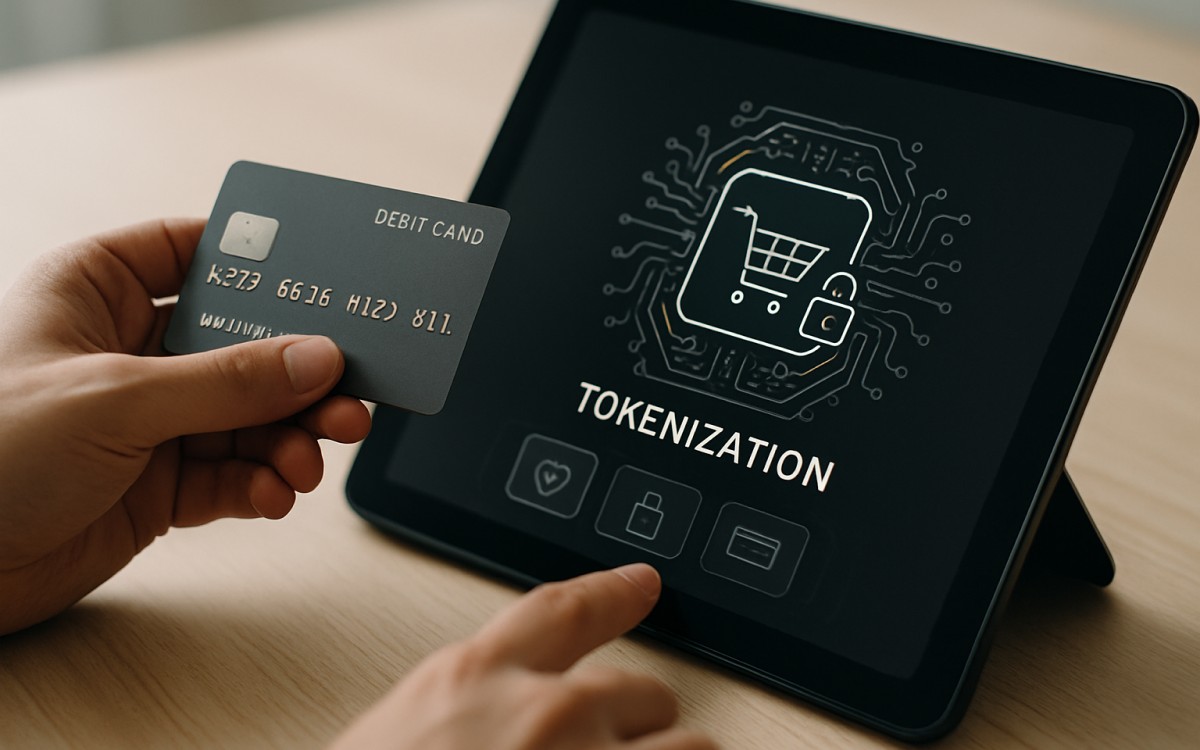
Debit card tokenization is a security process that replaces sensitive card details, such as the card number, with a unique, randomly generated value known as a token. Instead of transmitting the actual debit card number during an online purchase, the system uses this token to complete the transaction.
This token is meaningless outside the specific transaction environment, making it difficult for unauthorised parties to misuse even if intercepted. Payment processors and merchants rely on these tokens to carry out transactions without exposing the original card details.
Why Online Transactions Need Stronger Protection
Digital payments involve multiple touchpoints, including payment gateways, banks, and merchants. Each step introduces a potential vulnerability if data is not adequately secured.
Traditional systems often stored card details directly, increasing the risk of data breaches. Tokenization reduces this risk by ensuring that sensitive information is never stored or transmitted in its original form. By doing so, it significantly limits the impact of potential security incidents.
How Tokenization Works
When a debit card is used for an online purchase, the process begins by sending the card details to a secure tokenization service. This service generates a unique token that represents the card information.
After generation, the token is returned to the merchant or payment gateway, which uses it to process the transaction. The actual card details remain securely stored within a protected environment, often referred to as a token vault.
Future transactions with the same merchant can reuse the token without requiring the card details again, making repeat purchases both secure and convenient.
Difference Between Tokenization and Encryption
Tokenization and encryption are often confused, but they serve different purposes. Encryption converts data into a coded format that can be reversed with the correct key. If attackers gain access to both the encrypted data and the key, they may still retrieve the original information.
Tokenization, on the other hand, replaces the data entirely with a non-sensitive equivalent. There is no mathematical relationship between the token and the original data, making it significantly harder to reverse-engineer.
This distinction makes tokenization particularly effective for securing debit card transactions in online environments.
Role of Payment Networks and Banks
Payment networks and issuing banks play a critical role in enabling tokenization. They manage the infrastructure required to generate, store, and validate tokens during transactions.
When a token is used, the system securely maps it back to the original debit card details within a controlled environment. This mapping allows the transaction to proceed without exposing sensitive data to merchants or third parties.
Such collaboration ensures that security measures remain consistent across different platforms and devices.
Benefits for Everyday Debit Card Users
One of the most noticeable advantages is enhanced security. Since actual card details are not shared during transactions, the risk of data theft is reduced significantly.
Convenience also improves, especially for users who frequently shop online. Once a debit card is tokenized with a merchant, repeat transactions can be completed faster without re-entering card details.
Another benefit lies in reduced fraud exposure. Even if a token is compromised, it cannot be used outside its intended context, limiting potential misuse.
How Tokenization Supports Contactless Payments
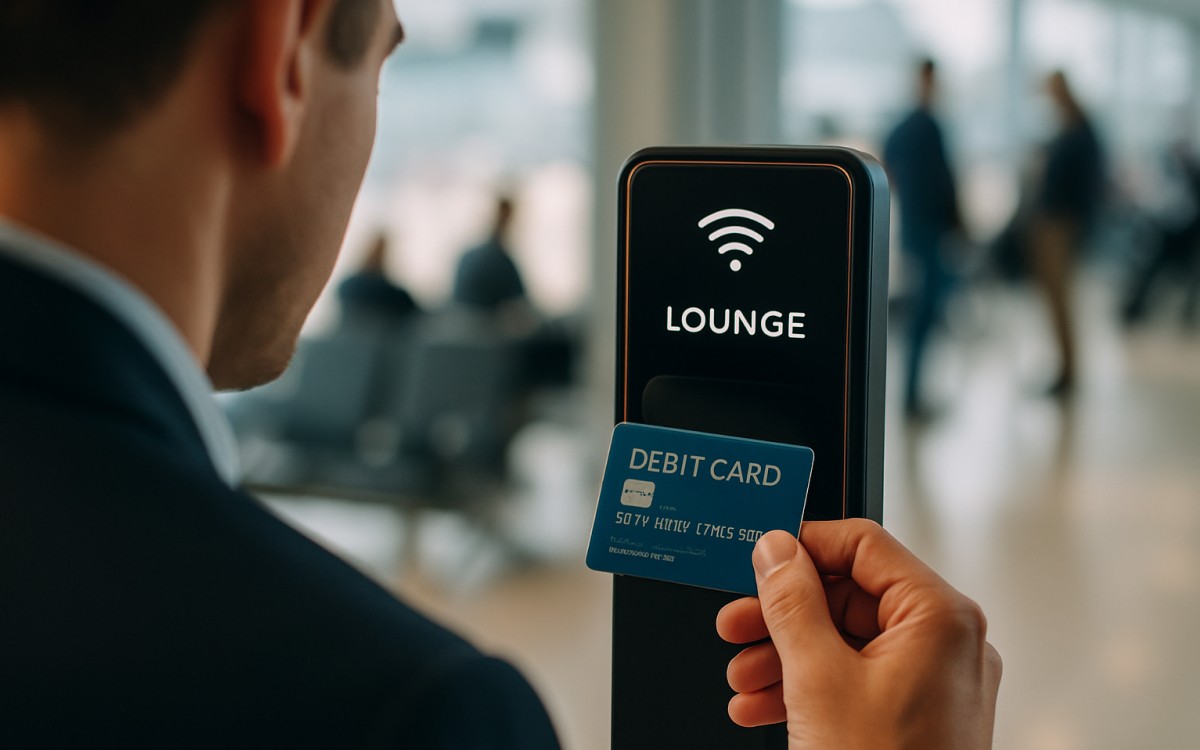
Beyond online shopping, tokenization also supports contactless payment methods. Mobile wallets and wearable devices rely heavily on tokens to complete transactions securely.
When a debit card is added to a digital wallet, the system generates a token that represents the card. During a contactless payment, this token is transmitted instead of the actual card number.
This approach ensures that sensitive information remains protected, even when payments are made in physical environments.
Security Layers That Work Alongside Tokenization
Tokenization does not operate in isolation. It works alongside other security measures to provide comprehensive protection.
Multi-factor authentication adds an extra layer by requiring additional verification during transactions. Secure sockets layer (SSL) encryption ensures that data transmitted over the internet remains protected.
Fraud detection systems monitor transaction patterns and flag unusual activity. Together, these layers create a robust security framework that supports safe debit card usage.
Common Misconceptions About Tokenization
A frequent misunderstanding is that tokenization eliminates all risks. While it significantly improves security, it does not replace the need for safe user practices, such as avoiding suspicious websites or sharing card details carelessly.
Another misconception is that tokenization slows down transactions. In reality, the process is designed to be seamless and does not noticeably affect transaction speed.
Some users also believe that tokens can be reused across platforms. In practice, tokens are often merchant-specific or device-specific, which adds an additional layer of protection.
Situations Where Tokenization Makes the Most Impact
Online marketplaces, subscription services, and mobile applications benefit greatly from tokenization. These platforms often require storing payment details for recurring transactions, making security essential.
High-frequency shoppers also experience improved safety, as repeated use of a debit card does not involve repeatedly sharing sensitive information.
Businesses handling large volumes of transactions find tokenization particularly valuable, as it reduces the burden of storing and protecting sensitive customer data.
As digital transactions continue to grow, security technologies are expected to evolve further. Tokenization is likely to remain a core component of payment security frameworks. Integration with emerging technologies, such as biometric authentication and advanced fraud detection systems, may enhance its effectiveness. The focus will remain on protecting sensitive information while maintaining ease of use for consumers. Continued adoption across platforms indicates a broader shift towards minimising data exposure in financial transactions.
Debit card tokenization plays a crucial role in safeguarding online transactions by replacing sensitive information with secure alternatives. Its ability to reduce data exposure without compromising convenience makes it an essential feature in modern payment systems.
With increasing reliance on digital payments, adopting secure practices becomes more important than ever. Tokenization provides a reliable foundation for protecting debit card information, ensuring that users can carry out transactions with greater confidence and reduced risk.