Discovering that your debit card is missing can be a distressing moment for anyone. Whether it was tucked away in a wallet that is no longer in your pocket or perhaps left behind at an automated teller machine, the sense of vulnerability is real. Fortunately, modern banking systems are designed with robust safety nets to protect your hard-earned money. Taking swift, methodical steps can effectively neutralise the threat of unauthorised transactions and restore your financial peace of mind.
Step 1: Block Your Card
The very first thing you must do is ‘hotlist’ or block the card. In the world of digital banking, speed is your greatest ally. Most financial institutions provide a variety of ways to do this instantly without needing to visit a physical branch.
Using the Mobile Banking App
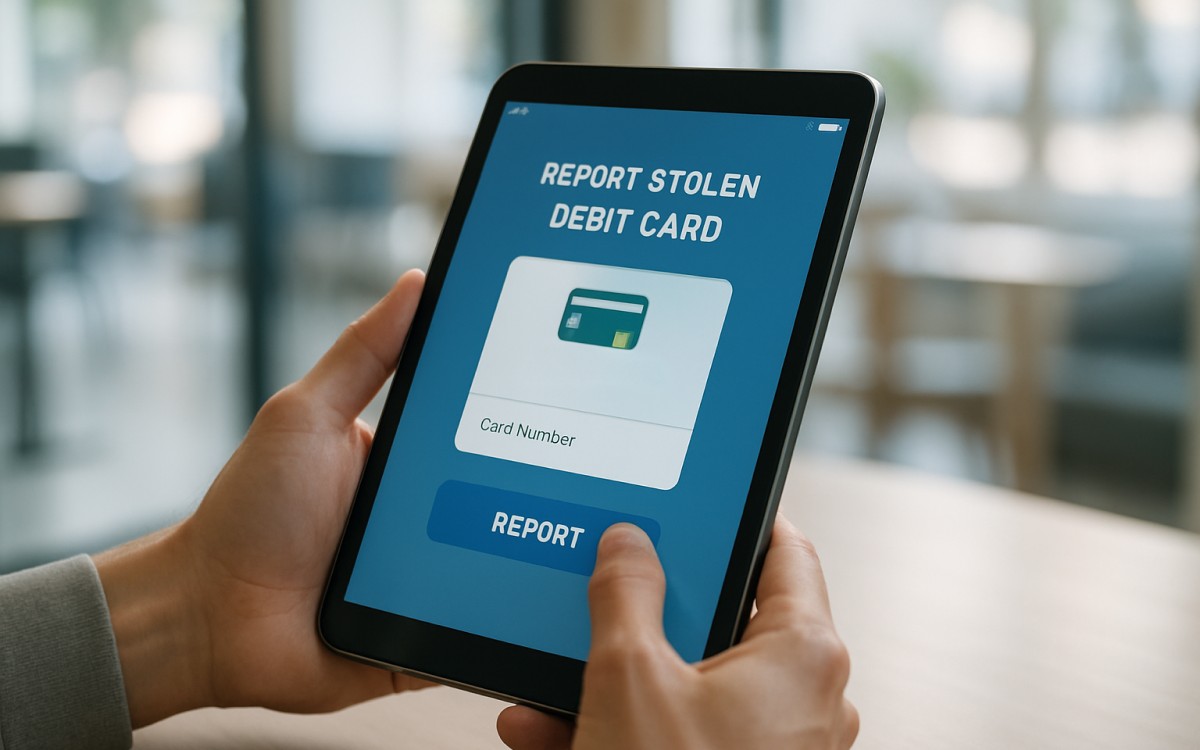
Almost every major bank now offers a ‘Toggle’ or ‘Manage Card’ feature within their official mobile application. You can usually find this under the ‘Cards’ or ‘Services’ tab. With a single swipe, you can permanently block the card. If you suspect you have simply misplaced it around the house, some apps allow a temporary block which you can lift later if the card reappears.
Internet Banking Portals
If your phone is also missing, log in to your bank’s net banking portal from a secure computer. Look for a ‘Debit Card Services’ section. There will be an option to report a lost or stolen card. Once you confirm the details, the card is deactivated across all networks immediately.
SMS and USSD Codes
For those who may not have a stable internet connection at that moment, many banks have dedicated SMS keywords. Sending a message like ‘BLOCK [Last 4 digits of card]’ to a specific number can trigger an instant shutdown. It is a good habit to save these emergency numbers in your contact list beforehand.
If you report the loss within three working days of the incident, your liability for any unauthorised transactions is often zero. If you report it within four to seven working days, your liability might be capped at a specific amount, such as five thousand or ten thousand units of currency. However, if you delay reporting beyond seven days, the liability depends entirely on the bank’s internal policy. This is why the initial ‘golden hour’ of blocking is so essential.
Step 2: Contact the 24/7 Customer Care Helpline
Every bank operates a dedicated toll-free emergency line for card-related issues. When you call, you will be asked to verify your identity. This usually involves confirming your date of birth, registered mobile number, or perhaps a recent transaction.
It is important to note that the bank will never ask for your PIN or CVV over the phone. If a customer service representative asks for these, hang up immediately as it could be a secondary scam. Once the block is successful, ask the representative for a ‘Ticket Number’ or a ‘Reference Number’. This is your proof that you reported the loss at a specific time, which is vital for limiting your liability for any fraudulent charges that might occur later.
Step 3: Report to the National Cyber Crime Portal
In recent years, the digital landscape has become more integrated. If you notice that money has already been withdrawn or spent before you could block the card, you should report the incident on the official National Cyber Crime Reporting Portal.
This platform allows you to file a complaint online. You will need to provide details such as the bank name, the amount lost, and the date of the transaction. This step is particularly useful if the theft is part of a larger digital fraud or phishing attempt. Reporting here ensures that the authorities have a digital trail to follow, which helps in broader investigations into financial crimes.
Step 4: Intimate the Police
While a digital block stops further spending, a formal report at your local police station remains a critical step. You should file a First Information Report (FIR) or at least a ‘Lost Property’ entry.
Why is this necessary?
- Identity Theft Protection
A stolen card often means a stolen wallet, which might contain your ID papers. A police report protects you if your identity is misused. - Documentation for the Bank
Many banks require a copy of the FIR or the police complaint to process a request for a replacement card or to investigate a fraud claim. - Insurance Claims
If your card level includes ‘Lost Card Liability’ or ‘Purchase Protection’ insurance, the insurance provider will almost certainly demand a police report as primary evidence.
Step 5: Request a Replacement Card
Once the old card is safely deactivated, you will need a new one. You can request a replacement through the same mobile app or during your call with customer care.
When the new card arrives, it will have a different sixteen-digit number and a new CVV. This means you will need to:
- Update Auto-Debit Instructions
Any subscriptions for streaming services, gym memberships, or utility bills linked to the old card number will fail. - Reset Your PIN
For security, always set a fresh PIN at a bank-owned ATM rather than using a default one sent by the bank. - Check the Fee
Be aware that most banks charge a small “Replacement Fee” for issuing a new card, which is usually deducted directly from your account.
Step 6: Review Recent Statements
In the days following the loss, keep a very close eye on your bank statements. Sometimes, small ‘test’ transactions are made by thieves to see if a card is still active before they attempt a large purchase. If you see even a tiny transaction that you do not recognise, inform your bank immediately. Even if the card is blocked, reviewing the history helps ensure that no ‘offline’ transactions or delayed settlements were processed just before the block took effect.
Safety Tips for the Future
To make a potential future loss less stressful, consider implementing these safety measures today:
- Set Transaction Limits
Use your mobile app to set a daily limit on PoS and ATM withdrawals. If the card is stolen, the thief cannot empty the account in one go. - Disable International Usage
If you are not travelling abroad, keep international transactions switched off. This prevents global fraudsters from using your card details. - Enable Instant Alerts
Ensure that both SMS and email alerts are active for every single transaction, no matter how small. - Keep Emergency Numbers Offline
Write down your bank’s emergency helpline on a piece of paper and keep it in your house. If your phone is stolen along with your wallet, you will still know who to call.
Losing a card is an inconvenience, but it does not have to be a financial disaster. By following these structured steps, you remain in control of your assets. The domestic banking infrastructure is built to support you, but it relies on your prompt communication to trigger its protective mechanisms.