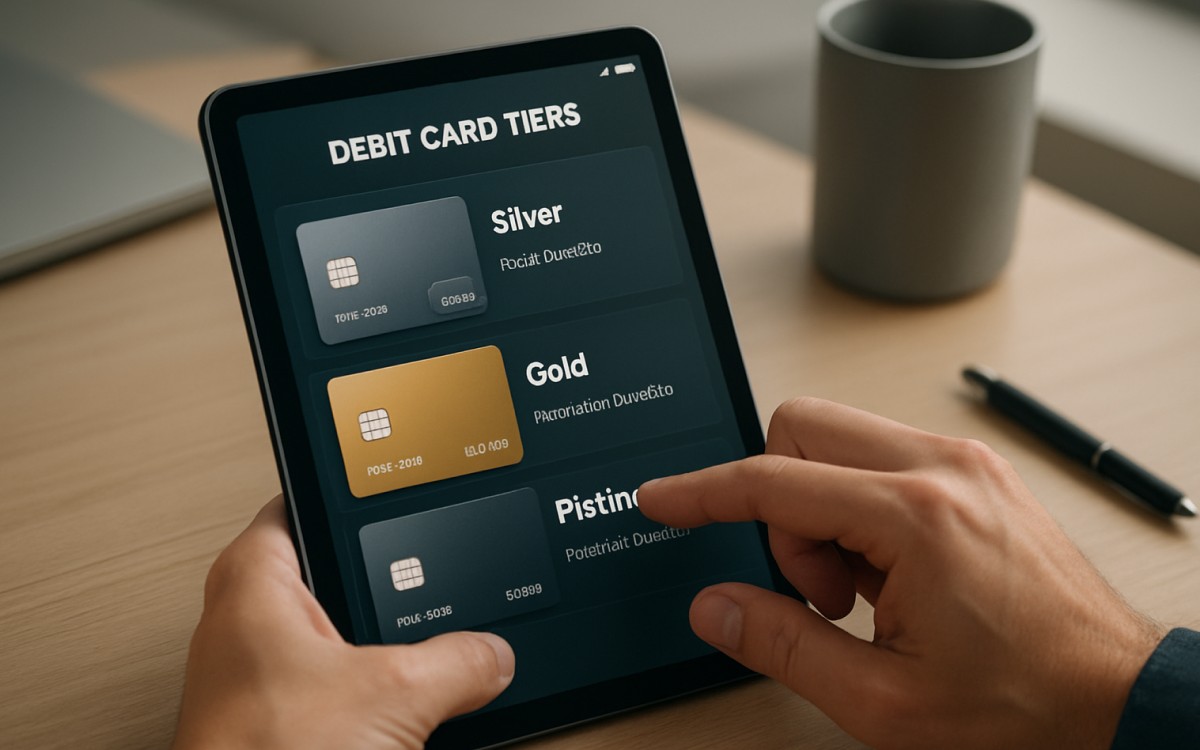
Have you ever caught yourself staring at your debit card while waiting in a checkout queue? Most people view their debit card as a simple tool for withdrawing cash or tapping at a terminal. However, those words printed in the corner—Classic, Platinum, or Signature—are not just decorative flair. They represent a structured hierarchy of financial utility and lifestyle perks designed to match specific spending habits and banking relationships within the domestic market.
Classic and Standard Cards
For many starting their banking journey, the Classic or Standard card is the first entry point. These cards are the workhorses of the financial world. They provide the fundamental necessity of accessing your funds at an ATM or making a purchase at a local shop.
While they might lack the glitz of higher tiers, their value lies in their simplicity and low maintenance. Usually, these cards come with the lowest annual fees, making them ideal for students or individuals who primarily use their accounts for basic savings and occasional digital payments. They operate on the major networks, ensuring they are accepted at virtually every Point of Sale (PoS) terminal across the country.
Gold and Platinum Cards
As your relationship with the bank matures, you might find a Platinum card arriving in the post. This is where the distinction between ‘basic access’ and ‘value-added services’ begins to blur.
Higher Transaction Limits
One of the most immediate changes you will notice is the ceiling on your daily activities. While a standard card might limit you to a modest daily withdrawal, a Platinum card often doubles that capacity. This is particularly useful for those who manage household expenses or need to make larger one-time purchases without the hassle of requesting temporary limit increases.
Security and Insurance
Platinum levels often introduce a layer of protection that isn’t always visible. Many of these cards come with:
- Purchase Protection: Coverage against fire or theft for items bought recently
- Personal Accident Insurance: A complimentary cover that provides financial security to the family in unforeseen circumstances
- Zero Liability: Enhanced protection against fraudulent transactions if the card is lost or stolen
Titanium and Signature Cards
When we move into the realm of Signature, World, or Titanium cards, the focus shifts from transaction utility to lifestyle integration. These cards are typically offered to customers with a higher average monthly balance or those enrolled in ‘Privilege’ or ‘Wealth’ banking programmes.
Travel and Leisure Perks
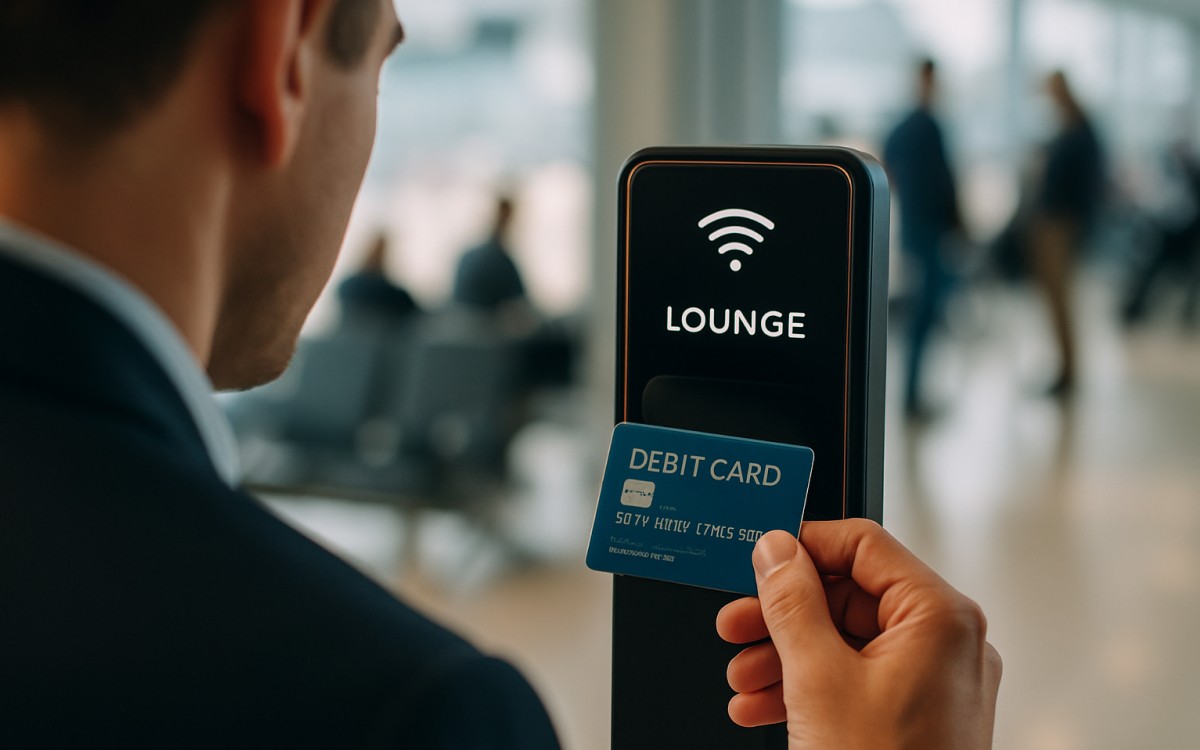
The most sought-after feature at this level is airport lounge access. In a country where air travel is booming, the ability to escape the crowded terminal for a quiet space with complimentary refreshments is a significant draw. Most Signature cards offer a set number of free visits per quarter to domestic lounges.
Concierge Services
At this level, you aren’t just a cardholder; you are a valued client. Many banks provide 24/7 concierge services. Whether you need assistance with hotel bookings, flower deliveries, or securing a table at a popular restaurant, a dedicated team is usually just a phone call away. This adds a layer of convenience that goes far beyond simple banking.
Infinite and Black Cards
At the very top of the hierarchy sit the Infinite and Black tiers. These are often ‘invite-only’ or reserved for High Net Worth Individuals (HNWIs). The level here signifies a deep, multi-faceted relationship with the financial institution.
Bespoke Rewards
While lower-tier cards might offer a few points for every hundred units spent, top-tier cards often provide accelerated reward programmes. These points can be redeemed for high-end electronics, luxury goods, or even air miles. The conversion rates are significantly more generous, turning everyday spending into tangible luxury.
Golf and Wellness
A unique hallmark of these high-level cards is access to niche hobbies. It is common to find complimentary golf games or coaching sessions at some of the finest courses in the country. Additionally, cardholders might receive memberships to premium spas or health clubs, reflecting a shift toward holistic banking rewards.
The Cost of Moving Up
It is important to remember that higher levels often come with higher responsibilities—specifically in the form of fees or balance requirements.
- Annual Maintenance Charges (AMC): A Classic card might cost a few hundred units a year, whereas a Signature card could cost significantly more.
- Minimum Balance Requirements: To waive these fees, banks often require you to maintain a substantial ‘Average Quarterly Balance’.
- The Usage Factor: Some perks, like lounge access, are now spend-linked. You may need to spend a certain amount in the previous month to unlock the benefit for the next month.
Which Level Do You Need?
Choosing the right level is about honest self-assessment. If you rarely travel and use your card mainly for groceries and utility bills, a Platinum card provides more than enough security and limit capacity without the heavy fees of a Signature card.
However, if you are a frequent flyer or enjoy dining out, the savings you accrue through lounge visits, ‘Buy One Get One’ cinema tickets, and dining discounts can far outweigh the annual fee of a premium card. The goal is to ensure the card works for you, rather than you working to maintain the card’s status.
Ultimately, your debit card level is a snapshot of where you are in your financial journey. It reflects your spending power, your lifestyle preferences, and the level of trust the bank places in your account. By understanding these tiers, you can make an informed decision to upgrade or downgrade, ensuring your wallet is as efficient as possible.