Online shopping has evolved into a routine part of everyday life, offering convenience, speed, and access to a wide range of products. Alongside this shift, payment methods have also adapted to meet different needs. One of the most useful developments is the availability of both virtual and physical debit cards. Each serves a distinct purpose, and using them together can improve security, flexibility, and control over spending. This guide explains why having both is a smart approach for modern shoppers.
What Makes Virtual Debit Cards Different
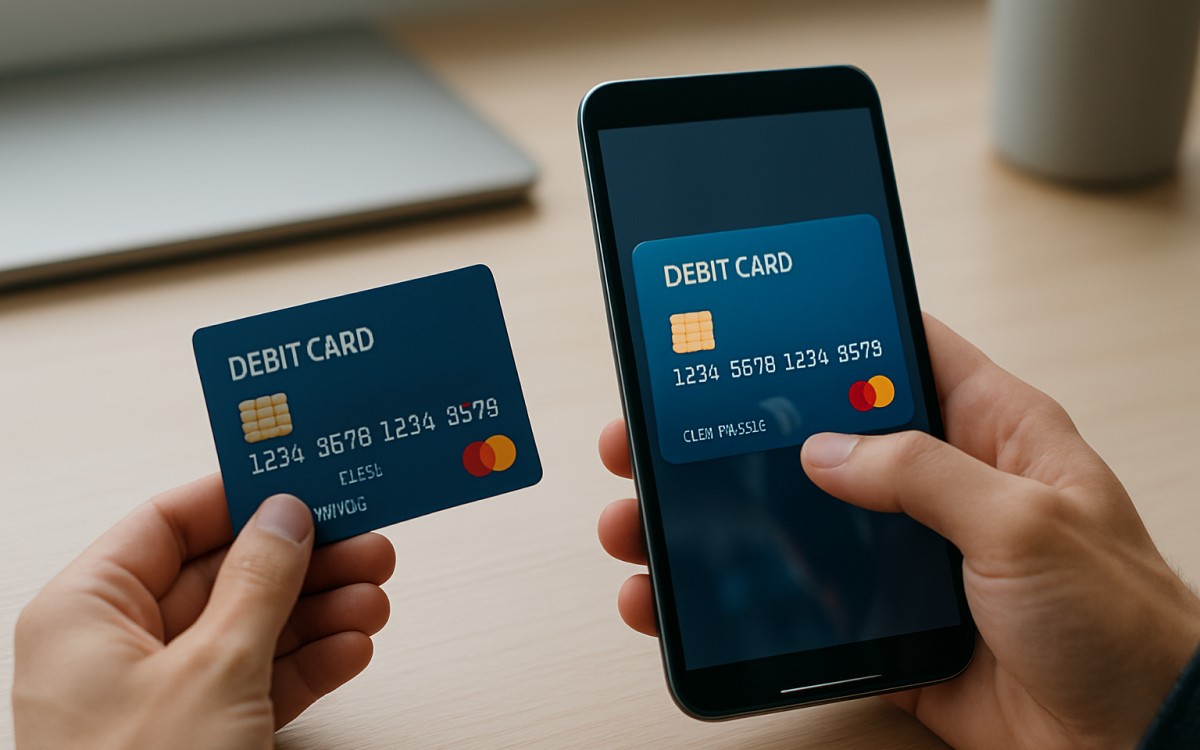
A virtual debit card exists in digital form and is typically accessible through a banking app or payment platform. It carries the same functionality as a standard debit card but is designed specifically for online use.
These cards often come with features such as temporary card numbers, limited validity periods, and adjustable spending limits. Such elements reduce exposure during online transactions, especially on unfamiliar websites. Since the card is not physically present, the risk of theft through loss or skimming is minimised.
Another advantage is instant issuance. Unlike traditional cards, there is no waiting period, which makes them ideal for immediate purchases or subscriptions.
How Physical Debit Cards Continue to Be Relevant
A physical debit card remains an essential financial tool despite the growth of digital alternatives. It is widely accepted across retail stores, ATMs, and service providers, offering unmatched versatility in offline transactions.
In addition to in-person purchases, a physical card is often required for identity verification, cash withdrawals, and certain recurring payment setups. It also serves as a backup when digital systems are unavailable or temporarily restricted.
The tactile nature of a physical card adds a layer of reliability, ensuring that users are not entirely dependent on internet connectivity or device access.
1. Enhanced Security for Online Transactions
Security remains one of the biggest concerns in online shopping. Using a virtual debit card helps reduce exposure to fraud by limiting the sharing of primary card details.
Temporary card numbers and one-time usage features ensure that even if details are compromised, they cannot be reused. Meanwhile, a physical debit card can be reserved for trusted transactions, reducing unnecessary risk.
This separation creates a layered security approach, which is more effective than relying on a single payment method.
2. Better Control Over Spending
Managing expenses becomes easier when different cards are used for different purposes. A virtual debit card can be assigned a fixed spending limit, making it suitable for subscriptions or one-off purchases.
A physical debit card, on the other hand, can handle regular expenses such as groceries, fuel, or utility payments. This distinction allows users to track spending patterns more clearly without mixing categories.
Clear boundaries between digital and physical usage support disciplined financial habits.
3. Reduced Risk from Data Breaches
Data breaches are a growing concern in the digital space. When a virtual debit card is used, sensitive banking details remain protected because the primary account information is not directly exposed.
Even if a merchant’s database is compromised, the damage is limited due to restricted card validity or capped transaction limits. Meanwhile, the physical debit card remains unaffected and can continue to be used safely.
This approach reduces the overall impact of potential security incidents.
4. Seamless Subscription Management
Subscriptions are convenient but can sometimes lead to unnoticed recurring charges. A virtual debit card can be used specifically for such payments, allowing users to monitor and control them effectively.
If a subscription needs to be cancelled, disabling or deleting the virtual card stops further charges instantly. This eliminates the need to go through complex cancellation processes.
A physical debit card can then be reserved for essential recurring payments that require long-term stability.
5. Instant Access for Urgent Purchases
There are situations where immediate payment is required, such as flash sales or time-sensitive bookings. A virtual debit card provides instant access without waiting for delivery or activation.
This quick availability ensures that opportunities are not missed due to delays. In contrast, a physical debit card is useful for planned purchases where timing is less critical.
Combining both ensures readiness for both urgent and routine transactions.
6. Greater Flexibility Across Payment Scenarios
Different shopping environments require different payment solutions. A virtual debit card is ideal for online platforms, while a physical debit card works best in offline settings.
Having both options ensures that users are prepared for a variety of scenarios, whether it is an online checkout, a point-of-sale machine, or a cash withdrawal.
Flexibility in payment methods reduces dependency on a single system and enhances overall convenience.
7. Safer Use on Multiple Platforms
Online shoppers often use multiple websites and apps. Entering the same debit card details across platforms increases exposure to risk.
A virtual debit card can be generated for specific platforms, limiting the impact if one of them is compromised. Meanwhile, the physical debit card remains reserved for trusted environments.
This method helps maintain better control over where and how payment details are shared.
8. Easier Budget Segmentation
Financial organisation becomes simpler when spending is divided across different tools. A virtual debit card can be used for discretionary spending such as entertainment or online shopping.
A physical debit card can handle essential expenses, ensuring that necessary payments are not affected by optional purchases. This separation supports clearer budgeting and reduces the chances of overspending.
Structured usage also makes it easier to review monthly expenses.
9. Backup in Case of Technical Issues
Digital payments depend on technology, which may occasionally fail due to connectivity issues or system downtime. In such cases, a physical debit card acts as a reliable backup.
Similarly, if a physical card is lost or temporarily blocked, a virtual debit card ensures that online transactions can continue without interruption.
Having both options ensures continuity, regardless of unexpected disruptions.
10. Improved Privacy and Transaction Control
Privacy is an important aspect of financial management. A virtual debit card allows users to limit the sharing of personal banking information.
Customisable settings such as transaction limits, expiry dates, and merchant restrictions provide greater control over how the card is used. A physical debit card complements this by offering stable access for trusted transactions.
Together, they create a balanced system that prioritises both privacy and usability.
Choosing the Right Balance for Daily Use
Selecting how to use each debit card depends on individual shopping habits. Many users prefer assigning the virtual debit card to online purchases and subscriptions, while reserving the physical debit card for offline transactions and essential payments.
This approach reduces confusion and ensures that each card serves a clear purpose. Regular monitoring of both cards further enhances financial awareness and security.
Consistency in usage patterns also makes it easier to detect unusual activity.
Common Mistakes to Avoid When Using Both Cards
While using both types of debit card offers advantages, certain mistakes can reduce their effectiveness.
Using the same card for all transactions defeats the purpose of separation. Ignoring spending limits on virtual cards can also lead to unnecessary exposure. Additionally, failing to monitor transactions regularly may delay the detection of unauthorised activity.
Maintaining clear usage rules and reviewing statements frequently helps avoid these issues.
The Role of Debit Cards in Modern Shopping Habits
Debit card usage has adapted to the needs of digital commerce. Virtual and physical formats are not competing options but complementary tools designed to improve the overall payment experience.
Online shoppers benefit from the security and flexibility offered by virtual cards, while physical cards provide reliability and broader acceptance. Using both together ensures a balanced approach that aligns with modern purchasing behaviour.
Virtual and physical debit cards each serve a distinct purpose, and combining them creates a more secure and flexible payment system. From protecting sensitive information to managing expenses effectively, the advantages are clear when both are used thoughtfully. Online shopping continues to expand, and having the right tools in place ensures that transactions remain safe, efficient, and well-organised.