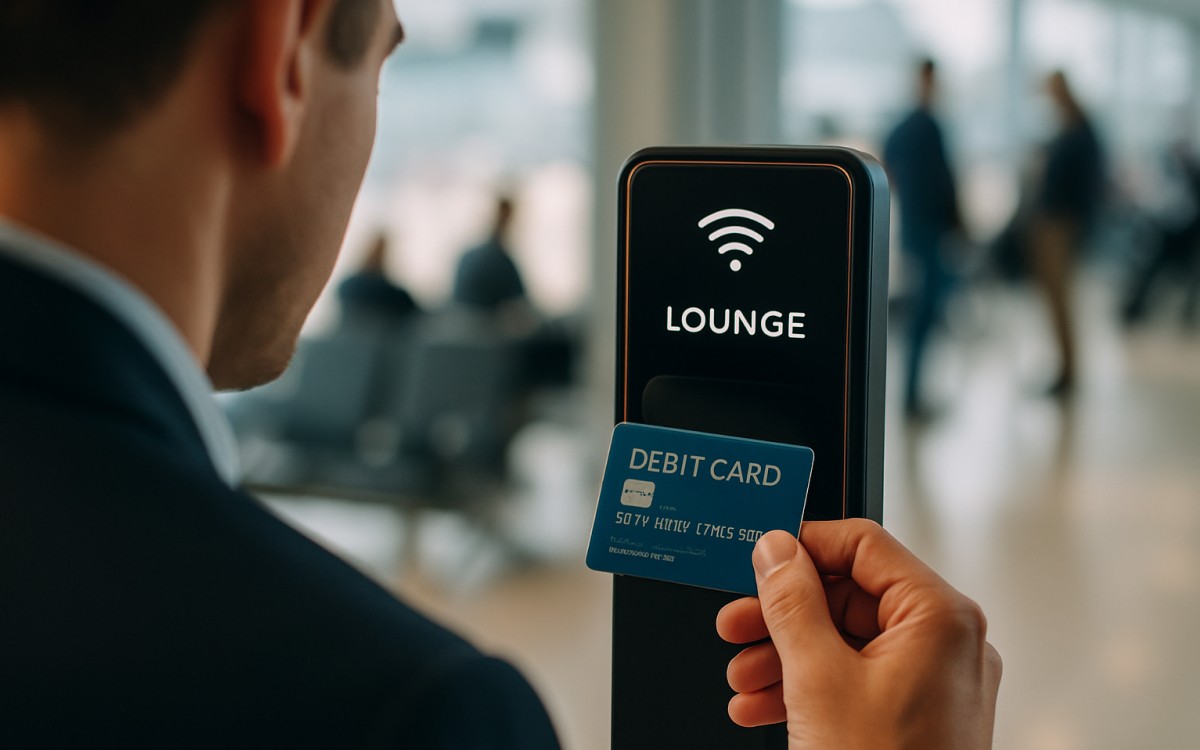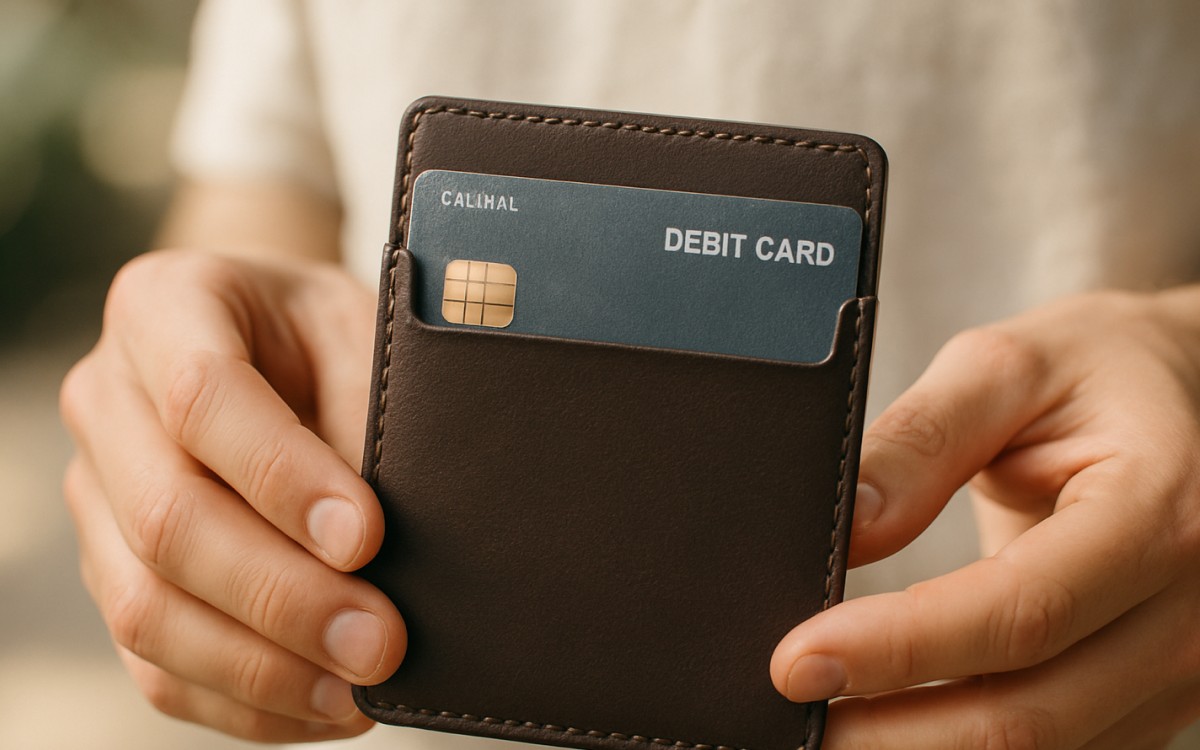
Your debit card PIN is four to six digits standing between your money and someone who wants it. Most people know they should protect it, but not everyone thinks about the many small moments in a day where it can be compromised without anything dramatic happening. No stolen wallet, no broken glass, no alarm going off. Just a moment of carelessness in a busy place, and that is often all it takes. Here is what you should actually be doing.
Tips to Follow Every Single Time
Good habits around PIN protection do not have to be complicated. Once they become second nature, they add a solid layer of security to every transaction without slowing you down.
Always Cover the Keypad With Your Other Hand
This is the simplest and most effective tip on this list. When entering your PIN, use your other hand, your wallet, or your body to shield the keypad from view. It blocks shoulder surfers instantly and defeats any camera that might be angled at the pad.
It might feel slightly deliberate the first few times, especially in a queue. But it is a habit every security-conscious person eventually builds, and once it becomes automatic, you will not even think about it. Cover the keypad every time, regardless of how safe the environment feels.
Stand Close and Position Yourself Deliberately
Where you stand matters more than you think. At an ATM, step close enough to the machine that your body naturally blocks the keypad from anyone behind or beside you. At a checkout counter, angle yourself so the terminal is not easily visible to whoever is queuing behind you.
Most retail terminals are designed to face the customer, which already offers some natural shielding. Even so, being aware of who is around you and how visible your hand movements are is a small adjustment that makes a real difference every time.
Never Rush Through a Transaction
A queue behind you or a busy environment can create pressure to move quickly, but rushing through a PIN entry is one of the easiest ways to get careless. Take the moment, cover the keypad, and confirm the transaction properly before moving on.
Slowing down for a few seconds costs you nothing. Markets, transport hubs, and crowded festival grounds are exactly the kinds of places where your attention is naturally divided, which is the same condition that makes PIN entry more vulnerable. The busier the space, the more deliberately you should slow down.
Be Mindful of Where and How You Transact
Not every public space offers the same level of safety, and certain locations are worth approaching with a little more caution than others.
Be Selective About Which ATMs You Use
Trust your instincts at ATMs. If something about the machine looks unusual, a card slot that seems bulkier than normal, a keypad that feels loose or slightly raised, or a piece of hardware that does not look like it belongs, those are signals worth paying attention to.
Standalone ATMs in low-footfall areas carry slightly more risk than machines inside busy bank lobbies or well-monitored shopping centres. Choosing your ATM thoughtfully is not an overreaction. It is simply being sensible about where you conduct your transactions and who might have had unsupervised access to the machine.
Avoid Saving Your PIN Anywhere Digital or Physical
This one sounds obvious, but it is worth saying. Your PIN should exist only in your memory. Writing it down on a piece of paper kept in your wallet, storing it in your phone’s notes app, or saving it anywhere that could be accessed by someone else completely defeats the purpose of having one.
If remembering it feels difficult, the answer is to choose a PIN that is memorable to you without being obvious to anyone else. A random combination with no connection to your personal details is always the strongest choice.
Strengthen Your Security Over Time
Protecting your PIN is one layer of security, but it works best when combined with a few broader habits that keep your account safer on an ongoing basis.
Check Your Transactions Regularly
Making it a habit to check your bank account every couple of days means nothing unusual goes unnoticed for long. Small unauthorised amounts are sometimes tested before larger ones are attempted, so catching something early can prevent a much bigger loss down the line.
Most banking apps make recent transactions easy to view at a glance. A quick check takes less than a minute and is one of the most underrated security habits you can build.
Change Your PIN Every Few Months
A PIN that has not been changed in a long time has had more opportunities to be observed or compromised. Updating it periodically resets any risk that may have quietly accumulated over time.
Choose something with no obvious connection to your personal information, no birthdays, no repeated digits, no sequential numbers. A combination that means nothing to anyone but you is always the most secure option, and changing it regularly keeps it that way.
Also, Focus on These Risks You Are Probably Thinking About
It is easy to imagine fraud as something that happens in obviously sketchy situations. The reality is that most PIN compromises happen in ordinary places during ordinary transactions, which is exactly what makes them so easy to miss.
Watch Out for Shoulder Surfers
Public spaces are crowded, and crowded spaces make it very easy for someone standing nearby to watch your fingers as you enter your PIN. This is called shoulder surfing, and it requires no special equipment or technical skill. All it takes is someone positioned at the right angle with a clear view of the keypad.
It happens at ATMs, grocery store checkout counters, petrol stations, and at any point-of-sale terminal where people are around you. The person doing it does not look suspicious. They are just standing there, appearing to mind their own business, while paying very close attention to yours. Being aware that this exists is already half the battle.
Never Assume the Camera Is Friendly
Surveillance cameras are everywhere, and most are there for entirely legitimate reasons. But not all of them are. Skimming devices sometimes come with tiny cameras attached nearby, angled specifically to capture PIN entry. These can be fixed to ATM fascias, stuck near the card slot, or positioned on a fixture close to a payment terminal.
You are not expected to conduct a full security sweep every time you pay, but knowing that cameras can appear in unexpected positions is useful. It is a good reason to always cover your hand at the keypad, not just when something feels off, but every single time as a default habit.