Not everyone has a credit card, and not everyone wants one. But that does not mean large purchases have to be put off until the full amount is saved up. The debit card EMI option has quietly changed how people shop, making it possible to split payments over time using money that is already yours. If you have never come across this before or have always wondered how it actually works, this is worth a read.
What Debit Card EMIs Actually Are
Most people associate EMIs with credit cards or loans. The idea of converting a debit card purchase into instalments tends to catch people off guard the first time they hear about it. But it is a real option, and it works quite differently from what you might expect.
The Basic Idea Behind It
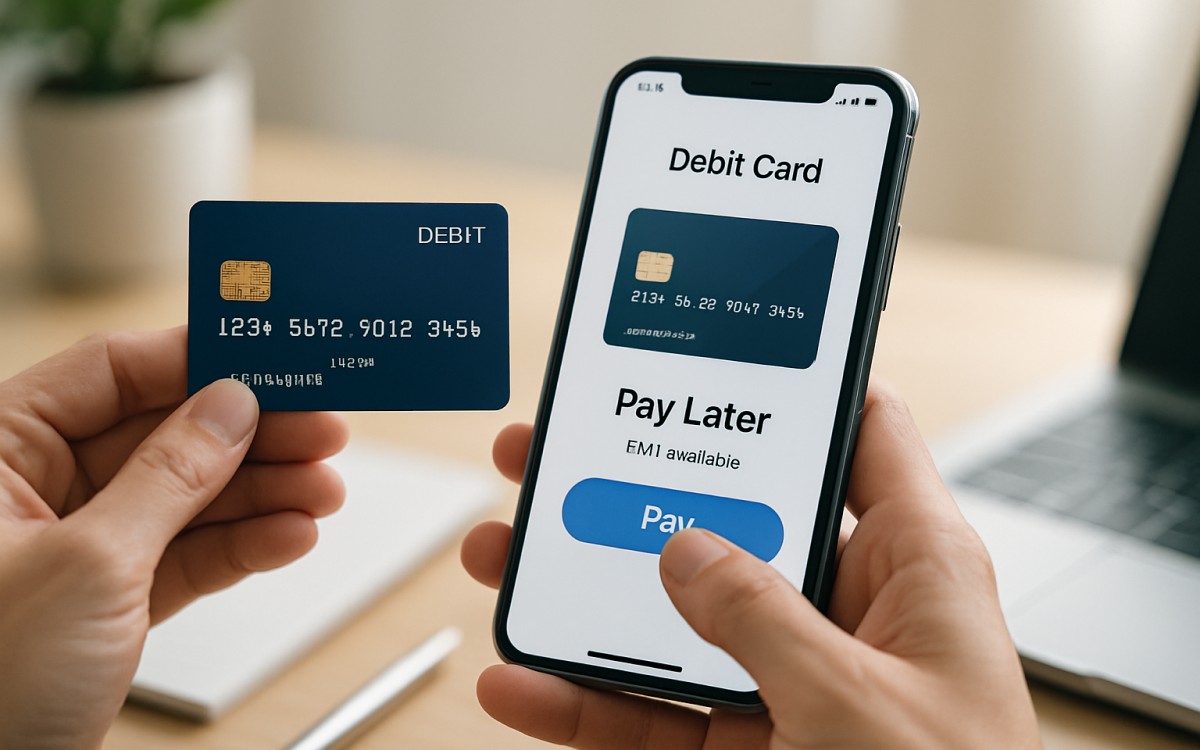
A debit card EMI lets you pay for something in monthly instalments while the amount gets deducted directly from your bank account over a set period. Instead of paying the full price upfront, the purchase amount is split across a few months, and each instalment is auto-debited on a fixed date every month.
It is not a loan in the traditional sense, and it is not credit being extended to you. What is happening is that your bank is allowing you to spread a purchase over time based on your existing account relationship and balance history. The money still comes from your account, just not all at once.
How It Differs From a Credit Card EMI
With a credit card EMI, you are spending borrowed money and paying it back in parts. With a debit card EMI, you are spending your own money in parts. The distinction matters because there is no credit utilisation involved, no bill cycle to track, and no risk of carrying debt forward if you miss a payment in the way a credit card would.
That said, debit card EMIs are not entirely free of charges. Interest or processing fees are often applied depending on the bank and the tenure chosen, so it is worth reading the terms before confirming a purchase this way.
Who Can Use Debit Card EMIs
Not every debit card holder is automatically eligible, and that is one of the first things worth understanding before you plan a purchase around this option.
Eligibility and What It Depends On
Banks typically offer this facility to customers who maintain a healthy account balance and have a reasonably long relationship with the bank. Some banks look at salary credits, average monthly balance, or overall account activity before enabling the EMI option on a debit card.
Eligibility is usually pre-approved, which means the bank has already decided whether your account qualifies. You do not apply for it separately in most cases. It either shows up as an available option at checkout or it does not, depending on whether your bank has activated it for your account.
Where the Option Shows Up
Debit card EMIs are most commonly available on large e-commerce platforms and at select retail outlets. When you are checking out and choosing a payment method, the option to convert to EMI appears alongside the standard debit card payment if your bank supports it and your account is eligible.
Some banks also allow this facility at offline point-of-sale terminals, though availability there tends to be more limited. It is worth checking with your bank directly to understand where the option can be used and which merchants are covered.
The Costs Involved
One of the most important things to get clear on before using a debit card EMI is what it is actually going to cost you beyond the product price.
Interest Rates and Processing Fees
Most debit card EMI options come with an interest component, which is calculated on the principal amount and spread across the chosen tenure. The rate varies from bank to bank and can also differ based on whether the merchant is running a promotional offer.
Processing fees are another thing to watch for. Some banks charge a one-time fee when you convert a purchase into an EMI, and this amount is either added to the first instalment or deducted from your account separately. It is a small amount in most cases, but worth knowing about upfront so there are no surprises.
Zero-Cost EMI and What That Actually Means
Zero-cost EMI sounds like a straight-up free deal, and in some cases, it genuinely is. A merchant or brand absorbs the interest cost as part of a promotional arrangement, and you end up paying exactly the product price split across instalments with nothing extra added.
However, it is worth checking whether the product price itself has been marked up to offset the interest before the offer is applied. Not every zero-cost EMI offer works out to a true saving, so comparing the EMI price against the standard price of the same product is a sensible step before going ahead.
Making Debit Card EMIs Work for You
Used thoughtfully, this option can be a genuinely useful way to manage larger purchases without disrupting your monthly cash flow or reaching for a credit card.
Choosing the Right Tenure
Shorter tenures mean higher monthly instalments but less paid overall in interest. Longer tenures bring the monthly amount down, but can add up to more in total cost over time. The right choice depends on what your account can comfortably handle each month without leaving you stretched.
A useful approach is to work backwards from your monthly budget. Decide the maximum amount you can afford to have auto-debited each month, and then pick the tenure that keeps instalments within that range. Avoid stretching to the longest tenure just because the monthly number looks smaller.
Keeping Track of What Is Being Deducted
Once an EMI is set up, the deductions happen automatically on a fixed date each month. It is easy to forget about them, especially if multiple purchases have been converted at different times. Keeping a simple note of active EMIs, their amounts, and their end dates helps you stay on top of your account balance and avoid unexpected shortfalls.
Your bank’s app or net banking portal usually has a section where active EMIs can be viewed and managed. Checking in on this periodically is a small habit that keeps your finances clear and prevents any deductions from catching you off guard when your balance is running lower than usual.