Tap and pay has become a convenient way to settle bills at shops, cafés, petrol pumps and the metro, and it is natural to wonder how safe it really is for everyday use. In simple terms, it is generally considered secure for routine transactions, provided you understand its limits and use a few basic safeguards. This article walks you through how contactless payments work, the main protections built in, where the real risks lie, and the habits that keep you safe.
How Tap and Pay Actually Works
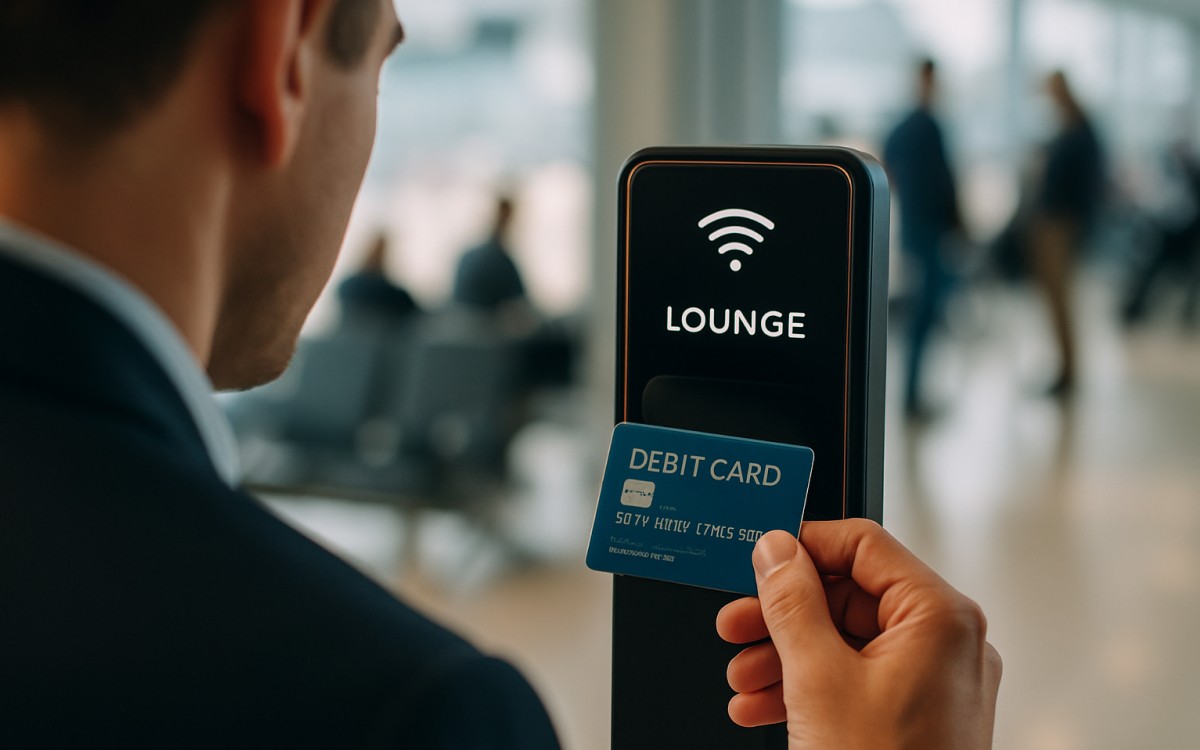
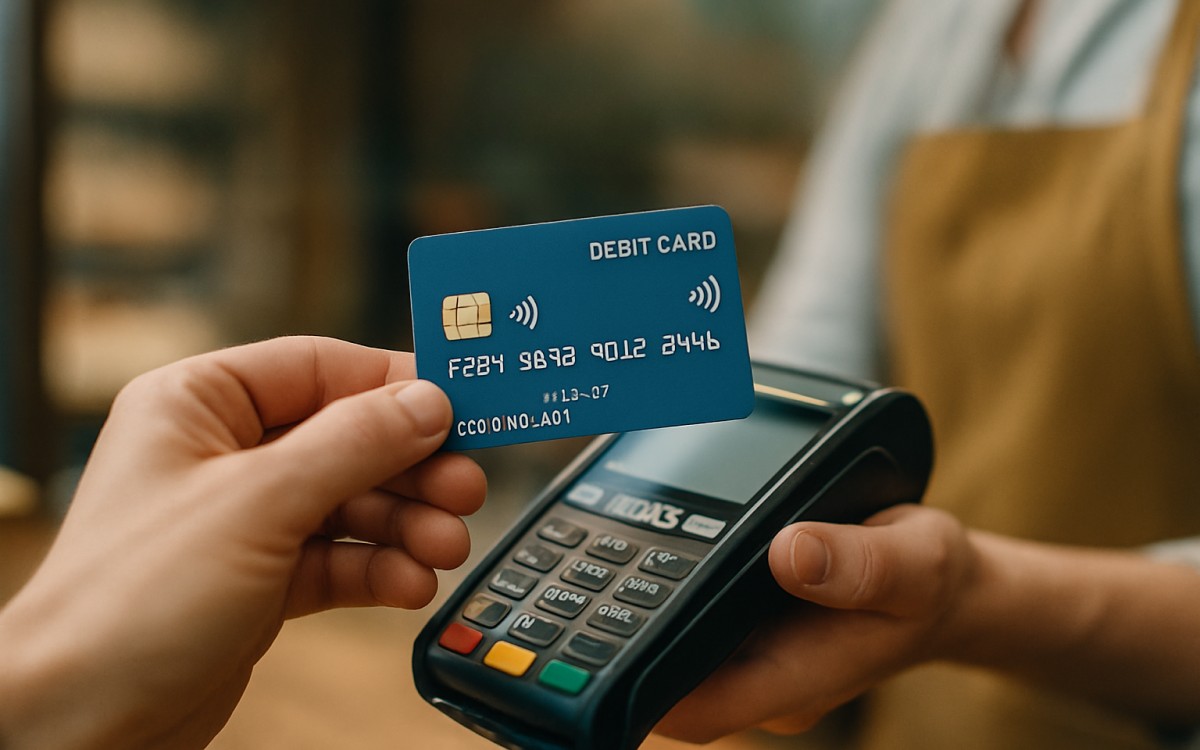
When you tap your card, phone or watch on a payment terminal, it uses a technology called NFC, or near field communication. The device and terminal talk to each other over a very short distance, usually a few centimetres, to complete the payment.
Instead of sending your full card number every time, contactless payments use a secure chip that generates a unique code for each transaction. This means the data shared for one payment cannot simply be reused later to make a fresh transaction. In many cases, the actual card number is replaced with a token, which further reduces the information exposed to the merchant.
For you, the experience is simple. You hold your card or device near the machine, wait for the beep or confirmation on the screen, and the transaction goes through. Underneath that quick tap, there is a secure exchange of encrypted data designed to protect your account details.
Why Tap and Pay Is Considered Secure
Modern contactless payments build on the same chip technology that made inserting your card safer than magnetic stripe swiping. The move from static data on the stripe to dynamic, one-time codes on the chip was a major security upgrade. Tap and pay rides on that same foundation.
There are several layers working together in your favour:
- Short range communication: The tiny distance required between card or device and terminal makes it hard for someone to secretly intercept the signal from a distance.
- One-time transaction codes: Each payment uses a fresh code, so even if someone captured that data, it would not work for another transaction.
- Limited amount per tap: For smaller payments, contactless is often allowed without entering a PIN, but transaction limits are set to cap your exposure.
- Extra authentication for higher amounts: Once you go over the permitted tap limit, the terminal typically asks for a PIN or additional verification.
If you use a mobile wallet on your smartphone or smartwatch, there is yet another layer. Your card details are stored in encrypted form, and the device itself is protected by a screen lock, fingerprint or face recognition. That way, even if your phone is lost, a thief still has to get past your device security before attempting to pay.
Where the Real Risks Lie
Despite the strong design, no payment method is perfect. With tap and pay, most genuine risks come not from the contactless technology itself but from how cards and devices are handled.
Some practical risk areas include:
- Lost or stolen cards: If your contactless card is misplaced and someone finds it before you block it, they could make small payments up to the tap limit without knowing your PIN.
- Unlocked phones: If your phone is not protected with a strong PIN or biometric lock, and someone gains physical access to it, they may attempt to use your mobile wallet.
- Careless handling at public places: Keeping your card or phone lying around on a table, or leaving it with strangers, increases the chance of misuse.
- Weak account monitoring: If you rarely check your SMS alerts or app notifications, you might not spot an unauthorised contactless transaction early.
Stories about criminals using hidden readers in crowded areas to “steal” contactless payments tend to be exaggerated. The limited range of NFC and the dynamic nature of the transaction data make this kind of attack difficult in practice. For everyday users, simple card loss and device theft are far more realistic concerns.
Everyday Habits That Keep You Safe
The good news is that a few simple habits go a long way in making tap and pay safe for daily use. You do not need any special gadgets or complicated routines.
Consider building these into your routine:
- Treat your card like cash: Keep it in a secure wallet or cardholder instead of loose in a pocket or bag where it can fall out.
- Enable alerts: Turn on SMS and app notifications so that each transaction triggers a message on your phone.
- Check your statements: Spend a couple of minutes each week scanning your recent card or bank transactions for anything unexpected.
- Set sensible limits: If your bank allows you to adjust the per-transaction limit for contactless, choose an amount that matches your usual daily spending.
- Lock your phone: Use a strong PIN, fingerprint or face unlock, and avoid sharing these details with others.
- Turn off NFC when not needed: On some phones, you can switch off NFC in settings, so it is only active when you want to pay.
- Be alert at crowded counters: Keep your card or phone in your hand and close to your body while waiting to tap.
These small steps are rarely time-consuming, yet they significantly reduce the impact even if something goes wrong.
Comparing Tap and Pay With Other Payment Methods
When thinking about safety, it helps to compare tap and pay with other common options such as swiping, chip-and-PIN, UPI and cash. Each method has its own risk profile.
- Compared with swiping: Magnetic stripe swiping sends the same data every time, which is easier for fraudsters to copy using skimming devices attached to terminals. Contactless payments, by contrast, rely on dynamic codes and are generally harder to clone.
- Compared with chip-and-PIN: Inserting your card and entering a PIN is secure, but it is also slower, and the card leaves your hand longer. Tap and pay keeps the card with you, lowering the chance of someone secretly capturing your card details.
- Compared with UPI: UPI payments rely on your mobile phone, PINs and one-time passwords, and they have their own strengths and risks, such as phishing or fake apps. Tap and pay avoids sharing virtual payment addresses or scanning unknown QR codes, but you must protect your card and device.
- Compared with cash: Cash cannot be recovered if stolen, and there is no transaction log to review. With digital contactless payments, you have records, alerts and the possibility of raising disputes with your bank.
Seen in this context, tap and pay sits among the safer everyday payment methods, as long as you manage the basics well.
Using Tap and Pay With Debit Cards and Mobiles
Many people use tap and pay through a debit card linked directly to their savings account. This is convenient for everyday purchases such as groceries, fuel and food deliveries. The same security features apply: the chip generates unique transaction codes, and transaction limits reduce exposure on a lost card.
If your bank allows it, you can also link your debit card or credit card to a mobile wallet or the bank’s own app for contactless payments. This setup lets you make tap and pay transactions using your phone at compatible terminals. In this case, device security becomes critical. Keeping your operating system updated, using official banking or wallet apps, and avoiding app downloads from unknown sources all contribute to a safer experience.
If you ever suspect misuse, contact your bank or card issuer immediately through official channels. Most providers have clear processes for blocking cards or disabling contactless functions, and some apps let you freeze the card instantly while you investigate.
When to Use Tap and Pay, and When Not To
For most day-to-day, low to medium value transactions, tap and pay is both practical and secure. It shines in situations where you value speed and minimal contact, such as supermarket checkouts, public transport, pharmacies, toll plazas and quick-service restaurants.
There are a few scenarios where you might choose a different option:
- Very high-value purchases, where you prefer the extra reassurance of entering a PIN or using additional authorisation.
- Transactions at unfamiliar or suspicious-looking terminals, where you might opt for UPI or another method you are more comfortable with.
- Times when your card or phone has recently gone missing, and you are still double-checking your accounts.
Using tap and pay is not an all-or-nothing decision. You can combine it with other payment methods and pick the one that feels most appropriate for a given situation.
For everyday use, tap and pay is designed to be safe, quick and convenient, with multiple security features quietly working in the background. You play an important role in keeping it that way by looking after your cards and devices, turning on alerts, and acting quickly if something seems off.
If you understand how contactless payments work, keep sensible limits, and make a habit of checking your transactions, you can comfortably rely on tap and pay for daily transactions without worrying unnecessarily.